
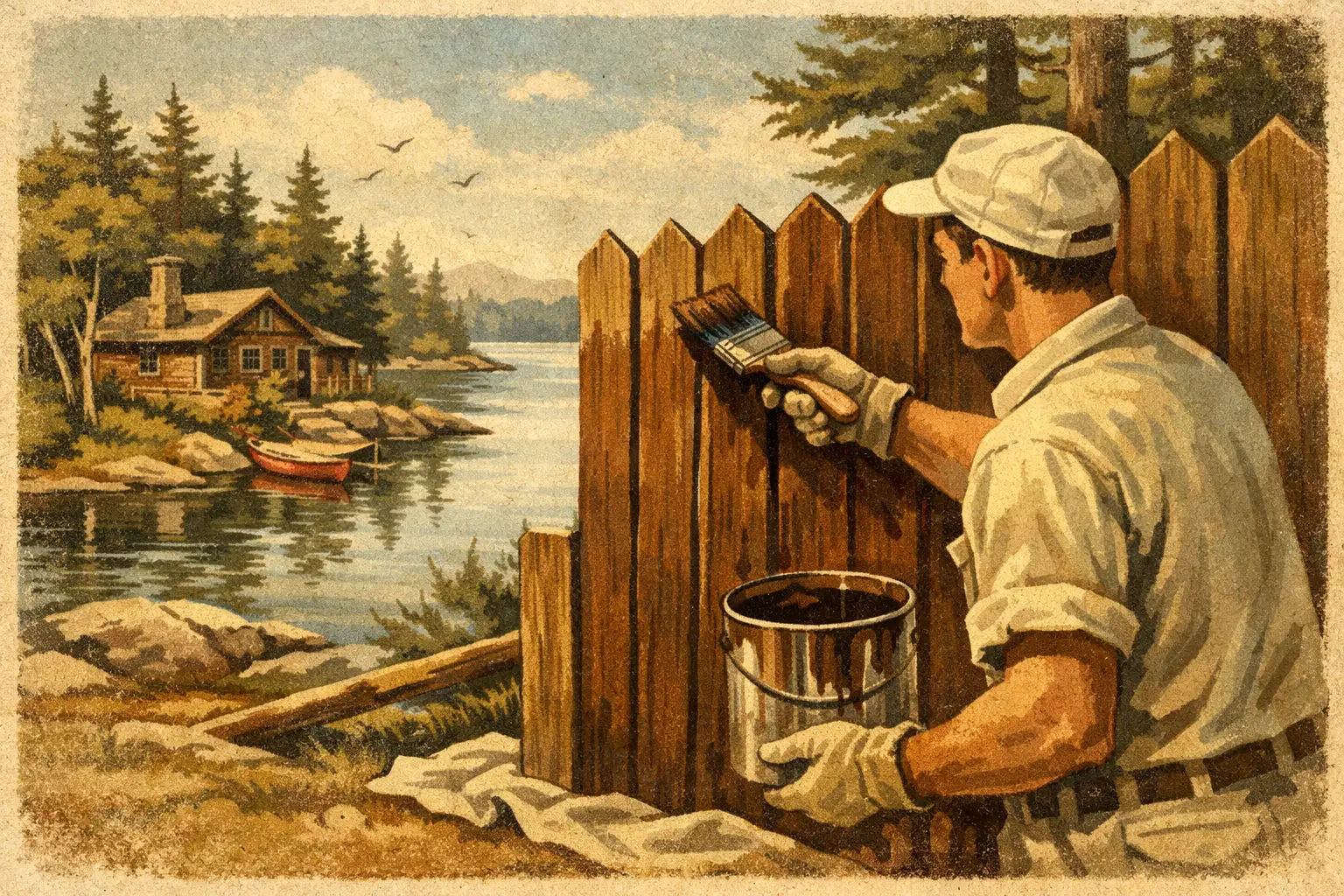
Choosing a Fence Staining Contractor in Muskoka
A wood fence can look sound from the driveway while quietly failing where it matters most: at the bottom rails, around fasteners, beneath overhanging trees, and on the sides that receive the hardest weather. In cottage country, a fence staining contractor in Muskoka is not simply applying color. The work is about managing moisture, UV exposure, surface wear, and the uneven aging that comes with long winters and humid summers.
For homeowners, cottage owners, and property managers, a properly stained fence protects an investment while giving the property a finished, cared-for appearance. The difference between a short-lived refresh and a durable result usually comes down to preparation, product selection, and timing - not the speed of the application.
Why Muskoka Fences Need More Than a Quick Coat
Muskoka weather is demanding on exterior wood. Snow sits against fence bottoms, spring thaw drives moisture into end grain, summer sun dries and fades exposed boards, and lake-adjacent properties often experience extended humidity. Add shade from mature trees, pollen, mildew, and irrigation overspray, and a fence can weather differently from one section to the next.
A coating that looks good on day one can peel, turn blotchy, or wear away prematurely if it is applied over gray wood fibers, embedded dirt, old failing stain, or excessive moisture. This is why a professional assessment should come before a price is offered. A contractor needs to identify the fence material, its current finish, visible damage, exposure conditions, and whether the wood has enough remaining integrity to accept a new coating.
New cedar, pressure-treated lumber, and older pine fences do not all behave the same way. Fresh lumber may require time to dry before staining. An older fence may need cleaning and careful sanding to remove loose fibers. Boards with rot, severe cupping, or failed fasteners should be repaired before finishing begins. Stain can improve appearance and slow weathering, but it cannot correct structural deterioration.
What a Fence Staining Contractor in Muskoka Should Evaluate
A detailed site review helps prevent unpleasant surprises once work begins. The contractor should inspect both sides of the fence where access is available, look at fence bottoms near soil or garden beds, and assess the condition of gates, posts, rails, and caps. These details affect labor, material needs, and how long the finish is likely to last.
Surface condition and previous coatings
The existing finish determines the preparation method. A transparent or semi-transparent stain that has simply faded may need thorough washing, drying, and localized sanding. A film-forming coating that is peeling can require more extensive removal and feather sanding before recoating. Applying a penetrating stain over incompatible residue can lead to uneven absorption and a patchy appearance.
Mildew and algae deserve particular attention on shaded fences and areas close to the water. They should be treated and removed rather than covered. If organic growth remains beneath a new coating, the finish may fail sooner and the fence will not receive the clean, even look most owners expect.
Moisture, weather, and scheduling
Exterior staining is weather-sensitive work. Wood must be adequately dry, and the forecast must allow the coating to cure as intended. Rain, heavy dew, high humidity, direct heat, and rapid temperature changes can all affect application and drying.
This is one reason an established contractor may adjust the schedule rather than force a job through on a questionable day. It can be inconvenient, especially for seasonal property owners coordinating visits to Muskoka, but the alternative is risking a finish that does not perform. A dependable schedule includes communication when weather requires a change.
Access and protection around the fence
The fence itself is only part of the job. Gardens, stonework, docks, outdoor furniture, neighboring properties, and lakeside landscaping need protection. A careful crew plans where equipment will go, protects adjacent surfaces, and keeps the site orderly throughout the project.
This matters on high-value cottage properties where fences often run beside detailed landscaping or along visible waterfront areas. Clean work practices are not an extra. They are part of protecting the property while the work is underway.
Preparation Is the Work Behind a Lasting Finish
The most important steps in fence staining are often the least visible once the project is complete. Preparation generally begins with removing loose debris and assessing areas that need repair. The fence is then cleaned using an appropriate method for the wood and its condition. Pressure washing can be useful, but only when performed with controlled pressure and proper technique. Too much pressure can fur the wood, drive water deeper into boards, and create more sanding work later.
After cleaning, the wood needs time to dry. The crew can then sand rough, splintered, or failing areas and address loose fasteners or damaged boards as agreed. This creates a more uniform surface and helps stain absorb consistently.
Masking and protecting nearby areas comes next. Gates, hardware, stone, siding, plants, and walkways all require attention. A professional finish should enhance the fence, not leave overspray, drips, or coating residue on the surfaces around it.
Choosing the Right Stain System
There is no single best stain for every Muskoka fence. The correct choice depends on wood species, age, prior coatings, desired appearance, and exposure. A transparent stain shows more natural grain but generally provides less UV screening than a more pigmented option. Semi-transparent stain offers a balance of wood character and protection. Solid stain delivers stronger color consistency and can be a practical option for older fences with uneven tones or repairs, though it has a more painted appearance.
New pressure-treated fence lumber also needs time before it is ready for stain. Mill-applied preservative leaves the wood wet, and it typically needs several weeks to a few months of outdoor drying, depending on weather, before it will absorb a penetrating stain properly. A quick sprinkle test settles the question: drip some water onto a board, and if it beads up rather than soaking in, the wood needs more time before staining.
The right decision also depends on maintenance expectations. A lighter, more natural finish may require more frequent attention on sunny exposures. A darker color can absorb more heat. A solid finish can conceal variation, but it also makes peeling or future coating compatibility more relevant. A good contractor explains these trade-offs before product is selected, rather than presenting every option as equal.
Application method matters as well. Brushing works stain into wood grain and gives close control around posts, rails, and detailed areas. Spraying may improve efficiency on long runs of fencing, but it should be paired with back-brushing or back-rolling where needed to ensure even coverage and avoid missed areas. The goal is not simply to use more product. It is to apply the right amount consistently without puddling, lap marks, or thin spots.
What Professional Accountability Looks Like
Fence staining is often treated as a casual maintenance task, which makes contractor selection especially important. A low initial quote may leave out the preparation, protection, insurance, or communication that protects the owner when conditions are more complicated than expected.
Ask how the contractor will prepare the fence, what coating system they recommend, and what happens if rain interrupts the work. Confirm that the scope addresses repairs, plant protection, cleanup, and access requirements. You should also ask about liability insurance and workplace coverage, particularly when crews are working around a cottage, neighboring property, or active commercial site.
Roll On Painting brings more than 25 years of surface-finishing experience to Muskoka properties, supported by $5 million in insurance coverage, WSIB coverage, and a detail-first approach to exterior preparation. That level of accountability helps owners make decisions with clearer expectations about cost, scheduling, and finish performance.
Maintaining a Newly Stained Fence
A professional stain job does not eliminate maintenance, but it makes maintenance more manageable. Keep soil, mulch, and leaves from building up against the base of the fence. Trim vegetation back to encourage airflow. Watch for sprinkler overspray, standing water, and early mildew growth, especially on shaded sections.
A light annual inspection is often enough to catch small issues before they spread. Look for fading on sun-exposed sections, water darkening near posts, raised grain, loose boards, and areas where stain no longer repels moisture. Addressing these early can extend the life of the overall finish and avoid a larger restoration project later.
The right fence staining contractor will leave you with more than a better-looking boundary line. They should leave the wood properly prepared, the property clean, and a finish selected for the way your Muskoka home or cottage actually weathers season after season.