
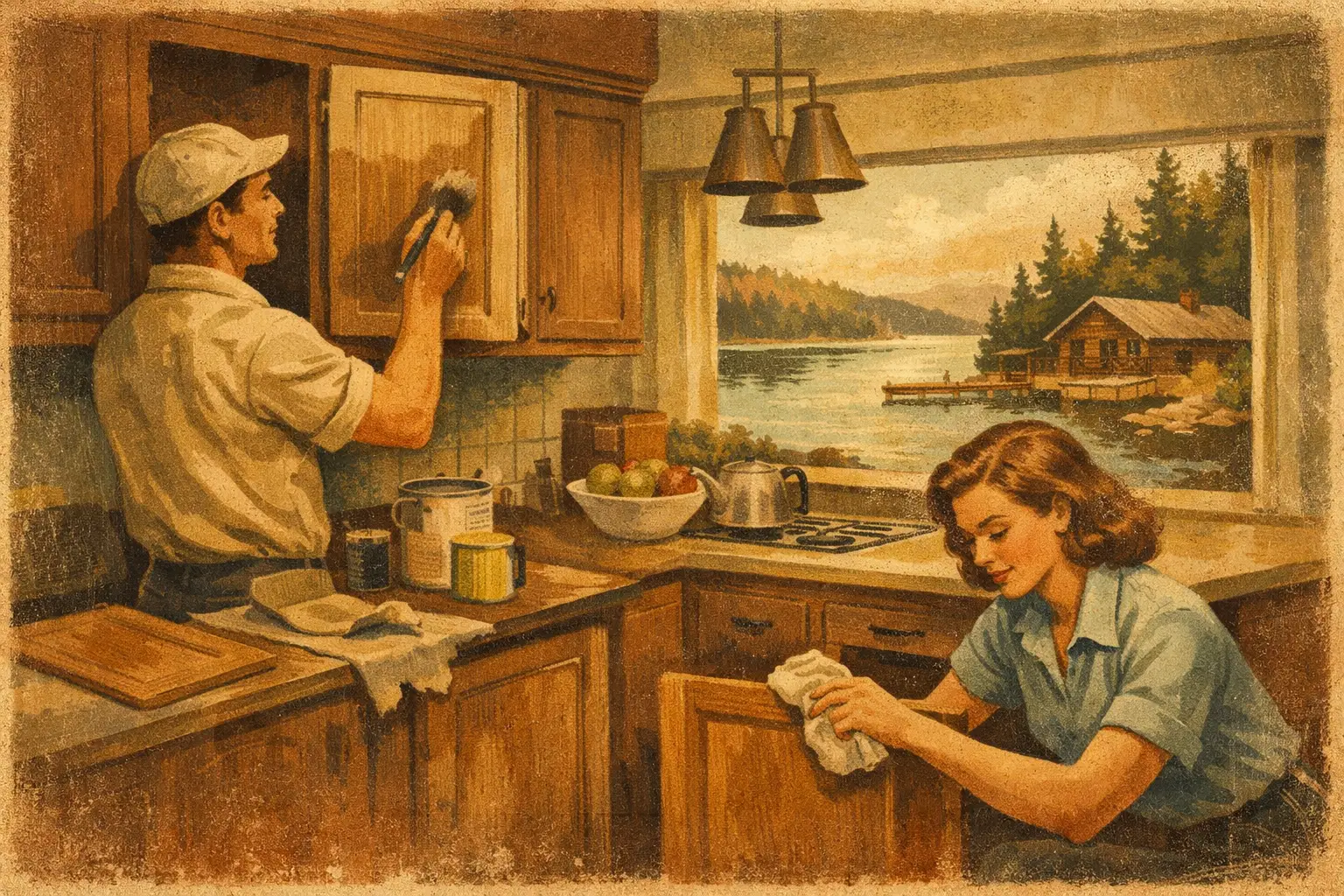
Cabinet Refinishing Muskoka for a Better Kitchen
A kitchen can feel dated long before its cabinets stop functioning. Yellowed clear coats, worn door edges, oak grain that no longer suits the room, and mismatched renovations can make an otherwise well-kept Muskoka home or cottage feel tired. Cabinet refinishing Muskoka property owners choose gives those solid cabinet boxes and doors a new visual life without the cost, waste, and disruption of a full replacement.
The difference is in the work beneath the final color. Cabinets are touched constantly, exposed to cooking residue and moisture, and expected to look clean under direct lighting. A professional refinishing project is not simply a coat of paint applied to doors. It is a preparation-driven finishing system designed to create an even, durable surface that holds up to daily use.
When Cabinet Refinishing Is the Right Investment
Refinishing is often an excellent option when cabinet construction is sound but the appearance is no longer right for the space. Many Muskoka kitchens have well-built wood cabinets that deserve a second life, especially in established homes, cottages, and properties being updated for family use, resale, or rental turnover.
It is generally a strong fit when doors close properly, the cabinet boxes are stable, and there is no major water damage around the sink, dishwasher, or lower cabinets. Homeowners can update an older stained finish with a clean painted look, soften heavy dark cabinetry, or create a more cohesive finish after replacing countertops, flooring, hardware, or lighting.
Refinishing is not always the best answer. Cabinets with swollen particleboard, failing hinges, deeply damaged veneer, or a layout that no longer works may need repair, selective replacement, or a larger renovation. A good contractor should be direct about that distinction. Painting over a failing substrate may look acceptable briefly, but it does not solve the problem underneath.
For many properties, however, the economics are compelling. Cabinet replacement can trigger countertop removal, plumbing changes, backsplash work, electrical adjustments, and extended time without a usable kitchen. Refinishing preserves the footprint while delivering a visible, high-impact update.
What Professional Cabinet Refinishing Muskoka Requires
Cabinets demand more preparation than most interior walls. Their surfaces are often coated with factory finishes, oils from hands, furniture polish, cooking grease, and years of invisible residue. If those contaminants are not addressed properly, a new coating may struggle to bond or may wear prematurely around handles and edges.
Cleaning, repairs, and surface preparation
The process starts with protecting the kitchen and creating an orderly work area. Countertops, floors, appliances, and adjacent finishes need careful masking and containment. Doors and drawer fronts are typically removed, labeled, and handled separately so the finished result is consistent and reinstallation is organized.
Then comes the detail work that affects durability. Surfaces are thoroughly cleaned and degreased, followed by sanding or abrasion to create the right profile for adhesion. Dings, old hardware holes, chips, open grain, and minor imperfections may be repaired depending on the desired finish. Cabinet frames receive the same care as the doors. A beautifully sprayed door paired with a poorly prepared frame will still look unfinished. Finishes on cabinetry built before about 1980 should be assumed to contain lead. Have it tested before scraping or sanding, and avoid dry sanding, power sanding or heat stripping; if lead is present the work needs wet methods, containment and HEPA cleanup, or a contractor equipped for it.
Preparation also reveals the honest condition of the cabinetry. A contractor may find failed caulking, loose hinges, moisture staining, or previously hidden damage once doors are removed. Addressing those items before coating is more efficient and more protective of the final result.
Primers and coatings built for use
The right primer and topcoat depend on the cabinet material, existing finish, kitchen conditions, and the look the owner wants to achieve. Wood, MDF, laminate, thermofoil, and previously painted cabinets do not all respond the same way. Proper product selection is not a place for guesswork.
A professional system is chosen for adhesion, hardness, washability, and an even appearance. Fine-finish application methods help reduce brush marks and create a smooth, furniture-grade result. That does not mean every surface should look identical to factory-new cabinetry. Wood cabinets may retain subtle grain or character unless grain filling is included in the scope. The right expectation is a durable, refined finish that suits the material and the home.
Color selection also deserves practical consideration. White and light neutral cabinets can brighten a cottage kitchen dramatically, but they can show marks more readily near high-use areas. Deep colors create contrast and richness, though they may reveal dust, chips, or fingerprints more easily. Satin and low-sheen finishes are often popular because they balance cleanability with a polished appearance without excessive glare.
Why Muskoka Kitchens Need a Careful Approach
Muskoka properties experience conditions that can be hard on interior finishes. Cottages may sit closed for part of the year, then quickly move into busy family weekends, entertaining, and humid summer use. Temperature changes, moisture near lakefront settings, and intermittent heating or cooling can affect wood movement and the performance of finishes over time.
That does not make cabinet refinishing impractical. It makes proper preparation, product selection, and cure time more important. Waterborne cabinet coatings typically need several weeks to reach full hardness, and doors should not be taped, loaded, or closed hard during that window. Slamming doors, reinstalling hardware too aggressively, or using harsh cleaners too soon can compromise a finish before it has had time to perform as intended.
Scheduling matters as well. For seasonal residents, a clear project plan helps coordinate access, appliance use, cleaning, and other trades. Kitchen projects can be disruptive, but a disciplined crew can limit that disruption through clean masking, orderly staging, daily cleanup, and transparent communication about which areas will be accessible during each phase.
Refinishing Versus Replacing Cabinets
The best choice depends on the condition of the cabinets and the goals for the room. Refinishing is ideal for preserving a quality layout while changing the visual direction. Replacement makes more sense when storage needs, traffic flow, cabinet construction, or structural condition are the real issue.
Refinishing can also be paired with targeted upgrades. New pulls or knobs, soft-close hardware where compatible, improved lighting, a new backsplash, or a countertop replacement can create a substantial transformation without rebuilding the entire kitchen. The key is sequencing. If countertops or backsplashes are being changed, those decisions should be coordinated before cabinet refinishing begins so the finished surfaces are protected and the color plan is cohesive.
Property owners should be wary of quotes that focus only on the number of doors. Cabinet refinishing involves more than door faces. Cabinet frames, drawer fronts, end panels, crown details, toe kicks, interior edges, repairs, masking requirements, and site conditions all affect the labor and materials required. A clear scope protects the owner from vague assumptions and helps ensure the finished kitchen matches the original vision.
How to Protect a Refinished Cabinet Finish
Once the work is complete, routine care is simple but worthwhile. Use a soft cloth with a mild cleaner suitable for painted surfaces, and wipe spills promptly around sinks, coffee stations, and cooking areas. Avoid abrasive pads, strong degreasers, wax-based polishes, and harsh chemical cleaners that can dull or damage the coating.
Hardware should be installed and used carefully, particularly during the early curing period. Handles and knobs do more than update the style of a kitchen. They reduce direct hand contact with painted door and drawer faces, helping preserve high-touch areas over time.
Small chips or impact marks should be addressed early rather than ignored. A professional contractor can advise on the appropriate touch-up method and color matching. Roll On Painting warrants its workmanship for three years from substantial completion. Decks, docks, railing caps and runoff zones are not covered, and other exclusions apply — the written terms set them out. Separately, our Perfect Finish Promise provides two hours of complimentary touch-ups per year of ownership as a goodwill courtesy; unused hours do not carry over.
Choosing a Contractor for Cabinet Work
Cabinet refinishing is a precision service, not a casual add-on. Ask how surfaces will be cleaned and prepared, what coating system will be used, whether doors will be removed, how the kitchen will be protected, and what the expected timeline includes. The answers should be specific, not vague assurances that the cabinets will simply be painted.
Credentials and operating standards matter, particularly in valuable homes and cottages. Look for proper insurance, WSIB coverage, clear quoting, clean job-site practices, and a track record with fine interior finishes. A contractor who understands the local market also understands that the kitchen is often the center of a Muskoka property - a place for everyday family life, holiday weekends, and guests.
A well-executed cabinet project does more than change a color. It gives a kitchen a finish that feels intentional, clean, and ready for the years of living that happen around it.